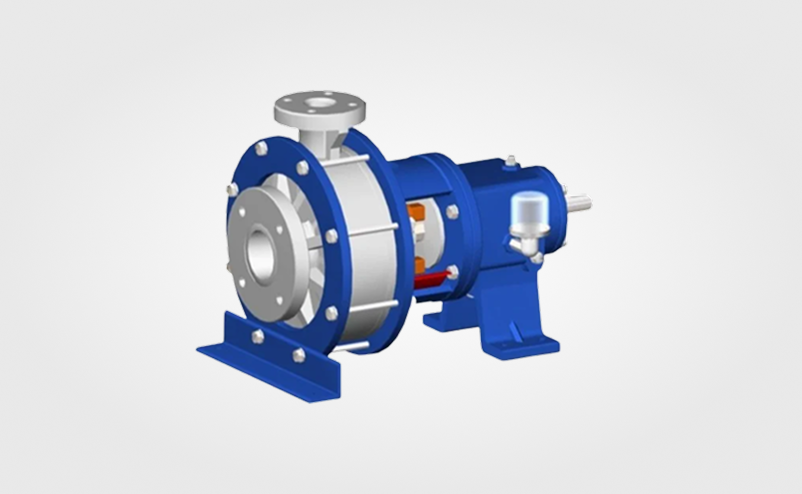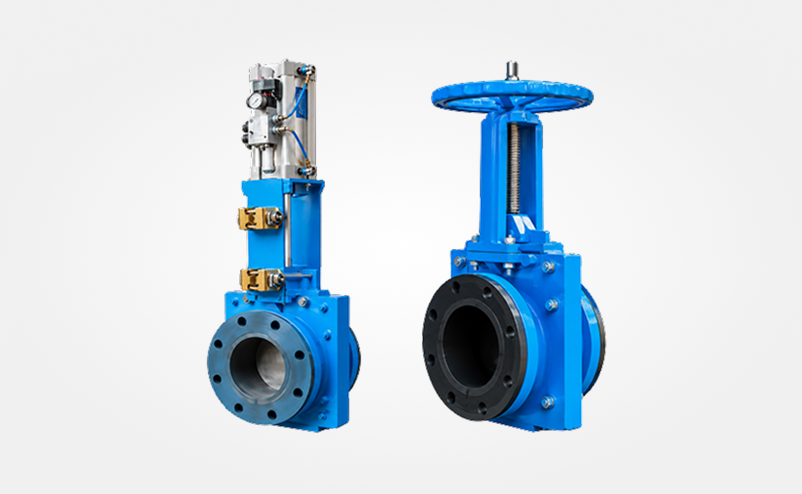

A chemical slurry pump must address the liquid chemistry and suspended solids together. Chemical composition influences material compatibility, while particles affect flow passages, hydraulic behaviour and wear. Selection therefore requires a combined review of corrosion resistance, solids handling and the required operating duty.
This guide explains what to measure, document and confirm before discussing a corrosive chemical pump or acid handling pump with Propeller Pumps. Propeller Pumps also offers an FRP axial flow pump range, which requires separate assessment against the application’s flow, head and material requirements.
Corrosive Chemical Pump Selection: Composition and Operating Conditions
Start by recording every component in the stream and its concentration, stating whether figures are expressed by mass, volume or another basis. Note any relevant impurities and trace constituents as well, so Propeller Pumps can review the complete stream description rather than relying on the main chemical name alone.
Temperature deserves equal attention. Record normal and maximum operating temperatures, along with suction and discharge pressure conditions, and describe any changes during production, cleaning or flushing. Declare every cleaning or flushing chemical alongside the process liquid, because it forms part of the exposure that the wetted parts experience in service.
Safety data sheets identify the chemicals involved but usually describe a purchased substance rather than the process slurry it becomes, so supply plant analysis as well. For a phosphoric acid pump enquiry, share the actual stream composition, concentration, temperature and suspended solids content, as streams differ between process stages.
Chemical Slurry Pump Solids Concentration and Variation
Solids concentration should always be stated with its measurement basis. Percentages by mass and by volume describe different quantities, and treating them as interchangeable can mislead the hydraulic assessment. Provide slurry density and solids density where known, so the supplier can interpret the figures without relying on assumptions.
A single average value rarely describes real operation. Document normal, minimum and peak concentrations, batch to batch variation and conditions during startup or process disturbances. Confirm that Propeller Pumps has assessed the proposed pump against this declared range, so the selection reflects demanding conditions as well as typical ones.
Abrasive Slurry Pump Selection: Particle Size, Shape and Hardness
The solids raise two separate questions: whether the proposed flow passages can accommodate the material without blockage, and how much wear exposure it introduces. Prepare separate information for each question, as described below, so the supplier can assess passage capacity and wear exposure on their own evidence.
For passage assessment, provide any available particle size distribution, the largest expected particles or agglomerates, and details of fibrous or stringy material. Report any evidence that particles crush, crystallise or change size during processing, and include descriptions of blockages experienced with existing equipment in the same service.
For wear assessment, describe particle shape and any available hardness or abrasiveness data. Report these properties alongside particle size, since size alone does not describe wear exposure. Where abrasion is a genuine concern, frame the enquiry as an abrasive slurry pump requirement and share current wear observations.
Chemical Slurry Pump Assessment: Settling Behaviour and Viscosity
Settling behaviour describes whether solids stay in suspension or drop out when flow slows or stops. Record what happens during holding periods, any sediment in tanks or pipework, the agitation or recirculation arrangements in place, and how often the system runs intermittently or shuts down, with typical shutdown duration.
Viscosity is a separate property and should be documented independently. Provide measurements with the temperatures at which they were taken, and note any change under different shear conditions. These records help the supplier review inlet conditions and hydraulic suitability, while transport velocity, agitation and restart procedures need application specific review.
Chemical Process Pump Impeller and Hydraulic Requirements
Propeller Pumps lists a semi open impeller for solids, stringy material and abrasive duties. Request the proposed model, passage dimensions, clearances, solids handling limits and materials, and confirm how these match your recorded slurry characteristics. Identify the components expected to wear and the inspection requirements for the selected arrangement.
Hydraulic confirmation covers required flow and head, operating speed, motor selection and inlet requirements. Confirm the liquid on which the quoted performance data is based, and whether that data needs assessment for the actual slurry rather than being applied unchanged. Record these assumptions as part of the proposal.
Corrosion Resistant Chemical Pump Materials and FRP Pump Options
Material review must address chemical exposure and particle wear together. Confirm with Propeller Pumps the proposed materials for the casing, impeller, shaft sleeve, wear components, seals, elastomers and other wetted parts of the selected design, along with the basis for each recommendation and relevant service experience.
Evaluate any corrosion resistant chemical pump proposal for abrasive exposure as well as chemical attack, and base the material choice on the full stream data rather than the chemical name or pH. Confirm the basis for each proposed material in your specific duty, including any available compatibility information.
For chemical handling duties, review the FRP axial flow pump range for resin compatibility, operating temperature and solids characteristics. Treat it as a separate product range rather than a material alternative within every chemical process pump model, and do not assume specifications from one range apply to another.
Chemical Slurry Pump Sample Evaluation
Where data leaves uncertainty, confirm whether the supplier can review your analysis, inspect a representative sample or arrange an evaluation. If available, agree on the sample source, collection conditions and whether it reflects normal or challenging operation. Supply the relevant analysis and note changes likely during storage or transport.
Agree the evaluation method, test conditions, the observations to be reported and the limitations of the findings. Record the scope and duration of the evaluation, the conditions tested and which conclusions the results support. Agree sample acceptance, packaging and handling requirements with the supplier before dispatch.
Chemical Slurry Pump Supplier Enquiry Checklist
The table below condenses the earlier sections into a practical enquiry tool. Complete the middle column before contacting a supplier, then use the final column to check that each proposal answers the questions your application raises and explains the basis of its selection, rather than simply naming a model.
| Selection Item | Information to Provide | Confirmation to Request |
|---|---|---|
| Chemical composition | Components, concentrations, basis, impurities | Compatibility basis for proposed materials |
| Temperature and variation | Normal and maximum values, cleaning changes | Suitability across the declared range |
| Solids concentration | Mass or volume basis, peak values, densities | Assessment against the full operating range |
| Particle characteristics | Size distribution, largest particles, shape, hardness, fibres | Passage suitability and wear exposure |
| Settling and viscosity | Holding behaviour, measured values with temperatures | Effect on hydraulic assumptions |
| Duty and schedule | Flow, head, running pattern | Speed, motor and performance basis |
| Installation | Tank, suction and piping layout | Inlet requirements |
| Impeller and passages | Blockage and wear history | Impeller construction, clearances, limits |
| Materials and sealing | Current materials and experience | Wetted materials, seal type, elastomers |
| Sample evaluation | Representative sample and analysis | Availability, method, scope, limitations |
| Scope of supply | Required items and documents | Assumptions, exclusions, included items |
Chemical Handling Pump Enquiries With Propeller Pumps
When chemical analysis, solids data, duty requirements and installation details arrive together, Propeller Pumps can discuss a specific configuration. A complete enquiry for a chemical handling pump allows the proposed model, impeller construction, sealing arrangement and wetted materials to be reviewed against the conditions your plant actually experiences.
Use the proposal discussion with this chemical pump supplier to clarify which options apply to the selected model, what operating limitations accompany the configuration, and which assumptions underpin the recommendations. Confirm these points in writing so engineering, maintenance and procurement teams share the same understanding of the selection.
About Propeller Pumps and Its Chemical Process Pumps
Propeller Pumps manufactures, supplies and exports chemical process pumps from Ahmedabad, Gujarat. Its published chemical process pumps range includes an end suction, back pullout arrangement, semi open impellers and mechanical seal or packing options selected according to service, which buyers can discuss against their chemical, solids and operating requirements.
Choosing the Right Chemical Slurry Pump
A dependable chemical slurry pump selection depends on confirming chemical compatibility, solids handling and wear resistance together. Share your slurry composition, solids characteristics, required duty and available analysis with Propeller Pumps to begin a focused discussion about the right configuration for your process and operating conditions.