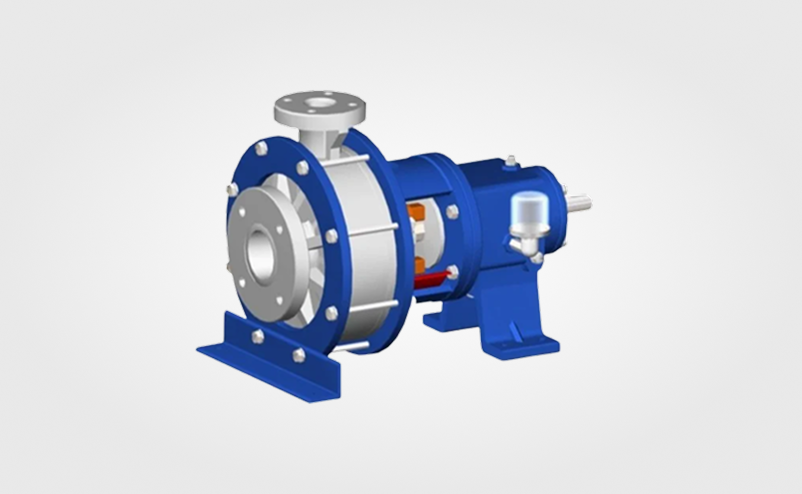

PP Horizontal Pump Selection Starts With the Installation
Many projects settle the PP horizontal pump versus PP vertical pump question on preference, although the better answer usually lies in the site layout. The tank, the piping route, the available floor area and the way maintenance teams will reach the equipment all shape which orientation fits a chemical handling duty.
Propeller Pumps offers horizontal and vertical configuration options within its range of Polypropylene Pumps. Configuration selection should address installation layout, hydraulic duty and compatibility of the wetted materials and sealing arrangement. This guide helps plant designers, EPC contractors and maintenance teams record installation details, compare horizontal and vertical PP pump configurations against them, and prepare an enquiry based on the real site.
PP Pump Tank and Sump Arrangements
Begin by describing where the liquid comes from. A storage tank, a process vessel and a collection sump each present different access points, and the vessel may be open, covered or fully closed. Record the available connections and openings, tank depth, relevant elevations, proposed pump position relative to the vessel and any existing mounting provisions or access restrictions.
For a horizontal polypropylene centrifugal pump, confirm the external installation and its connection to the vessel with Propeller Pumps. The connection point, valve positions and pump location should come from the proposal drawing rather than from an earlier installation with a different tank layout.
A PP vertical pump needs equally careful definition. Vertical designs vary, so the name alone does not tell you whether a proposed model mounts over the vessel, beside it or within it. Confirm the mounting position with the supplier and identify which components, if any, enter the liquid, using the model drawing as the reference.
PP Pump Operating Liquid Level Requirements
Liquid level rarely stays constant. For PP chemical process pumps, provide minimum, normal and maximum liquid levels, together with startup, shutdown and batch emptying conditions. Add intermittent supply patterns and expected low level events. Where the vessel operates under pressure or vacuum, include those conditions too, because they affect how the supplier evaluates the proposal across the full operating cycle.
With a horizontal proposal, request confirmation of the inlet conditions required at startup and after the level falls. Confirm priming, suction lift and dry running restrictions for the selected model, and record them alongside the declared levels so operators and the supplier work from the same limits.
If the proposed vertical design is immersed, confirm the minimum operating level, the required immersion and any operating restrictions. Assess the proposed vertical arrangement across the full operating level range, including batch emptying and low level events, rather than checking it only at the normal design level.
Polypropylene Centrifugal Pump Suction Layout and Hydraulic Duty
The route between the liquid source and the pump inlet deserves its own review. Provide source to pump elevations, suction connection details, the pipe route, its length and diameter, and every valve, strainer and fitting along the way. Note existing restrictions or recurring operating problems, since these often explain why a current installation underperforms.
Hydraulic duty is a separate check. State the required flow and total head, and share density, viscosity and temperature data where available. Matching connection sizes, motor ratings or orientation does not mean two units will perform alike, so confirm with the supplier that the selected polypropylene centrifugal pump meets your stated duty.
Request confirmation of the suction arrangement, priming needs and inlet adequacy for the proposal. Where a vertical design draws through an immersed inlet, the review should address that inlet arrangement directly instead of applying a comparison meant for external suction piping. Detailed suction calculations and pipe sizing belong with the supplier and the responsible project engineer.
PP Pumps Installation Space and Support Requirements
Footprint and service clearance are different measurements, so compare them separately. For each proposal, review floor area, overall equipment dimensions, headroom, motor and drive access, connection access and any space available above the tank or on nearby structures. Comparing complete assemblies, rather than pump casings alone, shows what each option will actually occupy.
Support requirements follow from the specific design. For a horizontal unit, request the actual baseplate details and foundation requirements. For a vertical unit, request the mounting plate details and declared loads that apply to that model. Have the project engineer verify the tank cover or mounting structure against the proposed loads.
Pipework needs its own support arrangement and should not be treated as a support for the pump. Confirm the equipment weight and connection details with the supplier, then plan pipe supports around the confirmed layout so that piping and equipment remain independently supported.
PP Horizontal Pump and PP Vertical Pump Maintenance Access
Maintenance planning starts with knowing what will need attention. Confirm which components require routine inspection, what seal and bearing arrangements the proposed model uses and whether relevant replacement parts are available. Check access to fasteners and connections, and establish whether servicing will require draining the vessel or interrupting the process.
For a PP horizontal pump, request the documented maintenance procedure for the selected model, including dismantling steps and the clear space needed around the unit. Horizontal designs differ in coupling, seal and baseplate arrangements, so an assumption carried over from another installation may not apply to the pump proposed for your site.
For a PP vertical pump, check withdrawal length, overhead lifting provisions and the removal route against the selected design. Depending on the model, removal may need clear height above the vessel and a defined lifting point. Record these requirements on the layout drawing so the space stays clear after surrounding equipment is installed.
PP Chemical Process Pumps Chemical Compatibility Checks
Chemical compatibility is a separate check from orientation and hydraulic duty. Provide the chemical identity and mixture composition, concentration, normal and maximum temperature, any suspended solids or abrasive constituents, and the cleaning or flushing chemicals used. Include any compatibility requirements your plant has already defined for the process.
Confirm chemical compatibility for every wetted component of the proposed PP chemical process pumps with Propeller Pumps, including the casing, impeller and any shaft sleeve, seals or elastomers fitted to that model. When specifying a PP pump for acid transfer, state the exact acid, its concentration and its temperature so the material review addresses the actual duty.
PP Horizontal Pump Configuration Comparison Table
The table below organises what to confirm for each option. It does not rank the configurations, because the better choice depends on the documented installation, the confirmed hydraulic duty and the verified materials for the specific model under consideration, not on orientation alone.
| Selection Factor | PP Horizontal Pump: What to Confirm | PP Vertical Pump: What to Confirm |
|---|---|---|
| Tank or sump connection | External position and connection to the vessel | Mounting over, beside or within the vessel; parts entering the liquid |
| Operating liquid level range | Inlet conditions and priming across all levels | Minimum level, required immersion and restrictions |
| Suction or inlet arrangement | Suction route, fittings and inlet adequacy | Inlet arrangement of the selected design |
| Footprint and headroom | Floor area, drive access and service clearance | Space above the vessel, headroom and structural space |
| Mounting and support | Baseplate and foundation requirements | Mounting structure and declared loads |
| Maintenance and removal | Dismantling procedure and clear space | Withdrawal length, lifting and removal route |
| Hydraulic duty | Required flow and total head across operating conditions | Required flow and total head across operating conditions |
| Chemical compatibility | All wetted parts, seals and elastomers | All wetted parts, including any immersed components |
PP Pump Manufacturer Enquiry: Information to Send
A complete enquiry provides a clear basis for configuration selection and allows Propeller Pumps to discuss horizontal and vertical options against real site information. When you approach a PP pump manufacturer, share the following details so configuration, duty and materials are reviewed together:
- Process duty: Required flow, head and operating schedule.
- Fluid details: Composition, concentration, temperature, density, viscosity and solids information where available.
- Installation records: Tank drawings, operating levels, elevations and piping layout.
- Site constraints: Space, mounting provisions, headroom and maintenance access.
- Proposal requirements: Model drawing, configuration details, materials, sealing arrangement, operating restrictions and scope of supply.
A quotation defines the scope of supply offered; it does not by itself validate the complete installation design. Review the proposal drawing, configuration details and stated restrictions with the responsible project engineer before finalising the layout, and raise any customisation requirement with the supplier so it can be reviewed against your application.
About Propeller Pumps and Its Polypropylene Pumps
Propeller Pumps manufactures, supplies and exports polypropylene pumps from Ahmedabad, Gujarat. Its published range includes horizontal and vertical configurations for chemical transfer, recirculation and treatment applications. Buyers can share fluid composition, concentration, temperature, flow, head and installation requirements with the company to discuss a suitable configuration.
Polypropylene Pumps Configuration Selection With Propeller Pumps
A PP horizontal pump or PP vertical pump selection works best when it follows the installation rather than leading it. Send your tank drawings, operating levels and piping layout to Propeller Pumps so the proposed configuration can be matched against the documented installation before the layout is finalised.